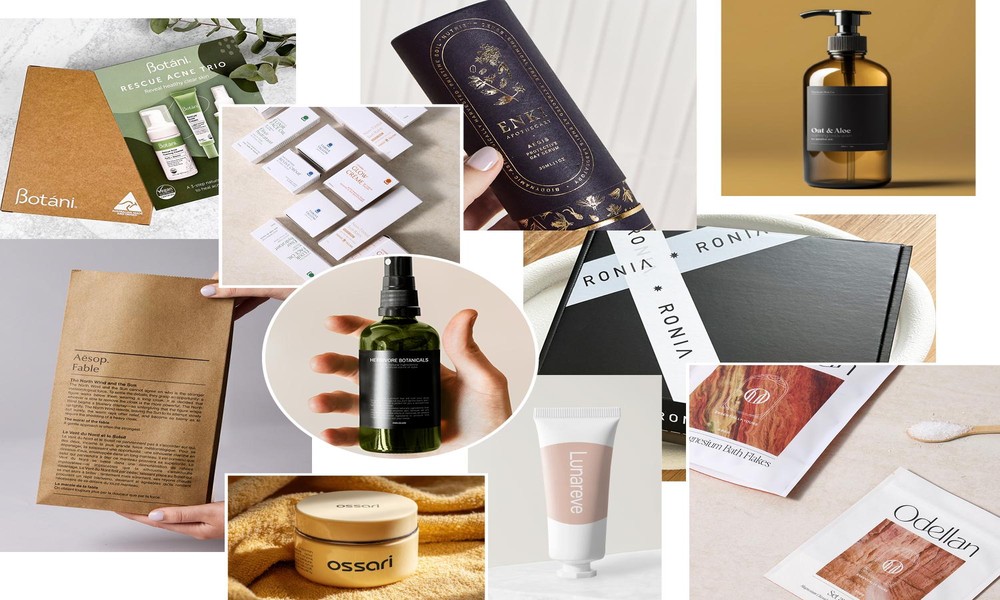
If you are serious about building a product that stands out, you already know that packaging is not a small detail. It shapes how your product feels before anyone even uses it. I look at packaging as part of the product itself, not an add-on. That is why I pay attention to providers that offer full control over design, materials, and production.
If you are exploring packaging for beauty brands, you need to think beyond standard jars and bottles. The right partner will help you match packaging to your product, your brand, and your long-term goals. I will walk you through how to think about this and what to look for.
Why Beauty Packaging Matters More Than You Think
You are not just protecting a product. You are shaping perception.
When someone picks up your product, they judge:
- Quality
- Price level
- Brand identity
- Trust
That all happens before they use it.
I have seen great products fail because the packaging felt generic. I have also seen average products sell well because the packaging looked premium and consistent.
You want your packaging to:
- Match your product category
- Feel consistent across your line
- Support how the product is used
- Stand out without feeling forced
That requires planning, not guesswork.
Start With Function First
I always tell people to begin with function before design.
Ask yourself:
- Is your product thick, liquid, or spray-based?
- Does it need a pump, dropper, or squeeze tube?
- Does it need to be airtight or leak-proof?
- Will it be used daily or occasionally?
Your answers guide your packaging type.
For example:
- Creams often work best in jars or pump bottles
- Serums need droppers for control
- Cleansers fit well in tubes or pump bottles
If the packaging does not match how the product is used, you create friction for your customer.
Choose Materials That Match Your Positioning
Material choice signals quality.
You need to decide early:
- Glass for a premium feel
- Plastic for lighter weight and cost control
- Matte or soft-touch for a modern look
- Clear or frosted for product visibility
Each option sends a message.
I recommend staying consistent across your line. If you mix styles without intent, your brand feels scattered.
This is where working with a provider that offers flexibility matters. The Packaging People stand out because they allow full control over materials, shapes, and finishes. You are not forced into a fixed catalog.
Customisation Is Where Brands Separate
This is where most brands either win or blend in.
You should think about:
- Exact sizing and shape
- Color matching
- Printing style
- Finishes like embossing or foil
Small details create a strong impression.
Options like:
- CMYK printing for full color
- Pantone matching for brand consistency
- Frosted or matte finishes
- Gold or metallic accents
These are not extras. They define how your product is perceived.
The Packaging People support all of these options and guide you through what works based on your product and budget. That matters if you want results without trial and error.
Think About Scalability Early
A mistake I see often is choosing packaging that works for small orders but fails at scale.
You should consider:
- Minimum order quantities
- Cost per unit as volume increases
- Ability to reorder consistently
- Lead times
If your product grows, your packaging needs to keep up.
The Packaging People handle both custom production and ready-to-ship stock options. That gives you flexibility. You can test ideas quickly and then scale without switching suppliers.
Do Not Skip Sampling and Proofing
Never commit to full production without testing.
You want to:
- Review digital proofs
- Request physical samples if possible
- Test compatibility with your product
- Check durability and sealing
This step prevents expensive mistakes.
A strong packaging partner builds this into their process. The Packaging People include proofing and sampling as part of their workflow, which reduces risk.
Sustainability Is Now Part of the Decision
You cannot ignore this anymore.
Customers care about:
- Recyclable materials
- Reusable packaging
- Reduced waste
You do not need to go fully eco on day one, but you should consider it.
The Packaging People offer eco-friendly options and help you choose what makes sense based on your product and goals. That guidance is useful if you are balancing cost and sustainability.
Work With a Partner, Not Just a Supplier
This is the biggest shift in thinking.
You do not want a vendor that just takes an order. You want a partner that helps you:
- Choose the right packaging type
- Refine your design
- Navigate production
- Maintain consistency over time
The Packaging People manage the full process from concept to delivery. That includes consultation, artwork review, production, and shipping. This removes a lot of friction and helps you move faster with fewer mistakes.
Final Thoughts
If you take one thing from this, it should be this. Packaging is part of your product strategy, not a finishing step.
Focus on:
If you approach it this way, your packaging will support your growth instead of holding it back.