Linen and batik tend to get filed into two entirely different wardrobe categories, linen as understated, neutral, almost minimalist, batik as bold, patterned, unmistakably decorative. Treated purely as aesthetic choices, the two rarely get discussed together. Looked at through the lens of where each one actually came from, though, they share something more fundamental than either style suggests; both were shaped, in real and practical ways, by the demands of hot, humid climates rather than decoration alone.
Seen that way, the pairing stops looking like an unusual stylistic mix and starts looking like two genuinely related solutions to the same climate problem.
Why Linen Became the Fabric of Choice for Hot, Humid Climates
Linen’s open weave and natural fibre structure allow air to move through the fabric considerably more freely than tighter, synthetic weaves do, which is precisely why cultures across the world’s hottest regions gravitated toward it long before “breathable fabric” became a marketing term. The fabric also absorbs and releases moisture efficiently, helping it feel cooler against the skin even in genuinely humid conditions. None of this was originally about minimalism as an aesthetic choice; it was a practical response to climates where staying comfortable in daily clothing actually mattered.
The clean, understated look linen is known for today was really a secondary effect of practical choices, not the original point of the fabric at all.
Why This History Still Matters for a Singapore Wardrobe Today
Singapore’s climate hasn’t changed since linen first proved useful in similarly humid parts of the world, which is exactly why the fabric’s practical qualities remain just as relevant now as they were centuries ago. Well-chosen linen clothing in Singapore isn’t simply following a current style trend; it’s continuing a genuinely functional tradition that happens to also look considerably refined.
Why Batik’s Traditional Cuts Were Never Just About the Pattern
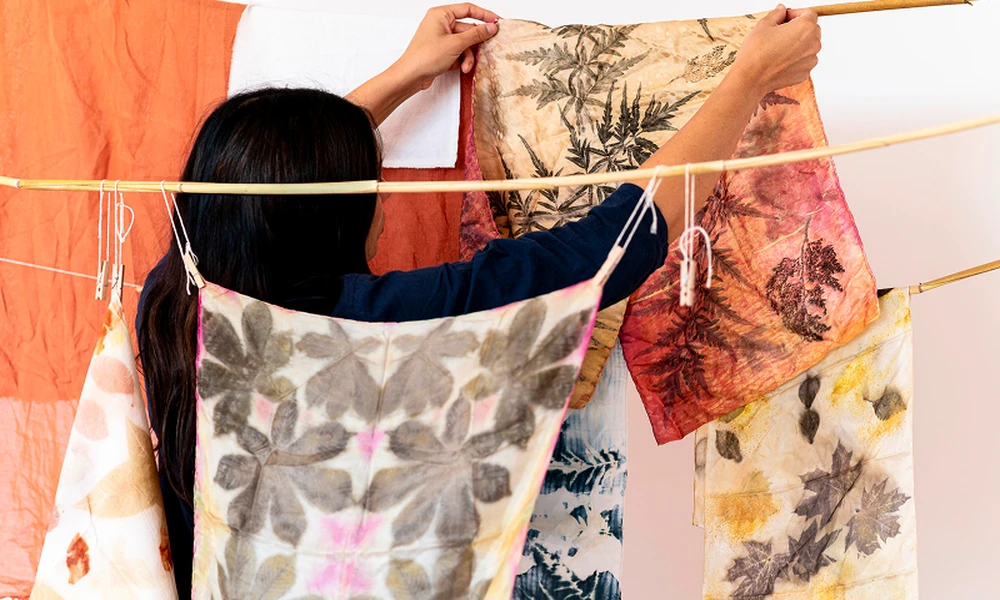
Batik’s intricate wax-resist dyeing process gets most of the attention, understandably, since the patterns themselves are genuinely striking. Less discussed is that traditional batik garments were also typically cut loosely, with natural fibres chosen specifically to suit tropical wear, decisions made for comfort in daily use, not purely for how the finished piece would look. The pattern is the part most visibly celebrated, but the practical construction underneath it was just as deliberate a response to climate as linen’s open weave.
A loose cut in a hot climate is a functional choice long before it’s a stylistic one, allowing air to circulate close to the skin rather than trapping heat against it.
Why Both Traditions Sit Comfortably in the Same Wardrobe
Recognising that linen and batik both emerged from similar practical pressures, not just separate aesthetic traditions, makes combining the two feel considerably less like mixing unrelated styles and more like drawing from two genuinely compatible approaches to the same climate. Batik Clothing in Singapore alongside linen pieces reflects this shared practical lineage as much as it reflects a particular visual pairing.
Why This Origin Story Rarely Comes Up in Conversation
Most conversations about clothing choices in Singapore focus on how a piece looks or fits, understandably, since that’s what’s immediately visible. The climate-driven reasoning behind why certain fabrics and cuts became traditional in the first place tends to fade into the background, treated as historical trivia rather than something still genuinely relevant to how clothing actually performs day-to-day in the exact conditions it was originally designed for.
It’s a detail worth remembering the next time either fabric gets reduced to a purely aesthetic label, since the practicality came first, and the style followed from it.
Linen and batik didn’t end up in the same tropical wardrobes by coincidence. Both were shaped by the same demanding climate long before either became a recognisable style, and understanding that shared practical origin makes the pairing feel less like a stylistic choice and more like common sense.
Two traditions, one shared reason for existing in the first place, and a wardrobe considerably better suited to Singapore’s weather as a result.
Curious how linen and batik pieces work together in practice? Contact Anmako Singapore to find the right combination for your wardrobe.