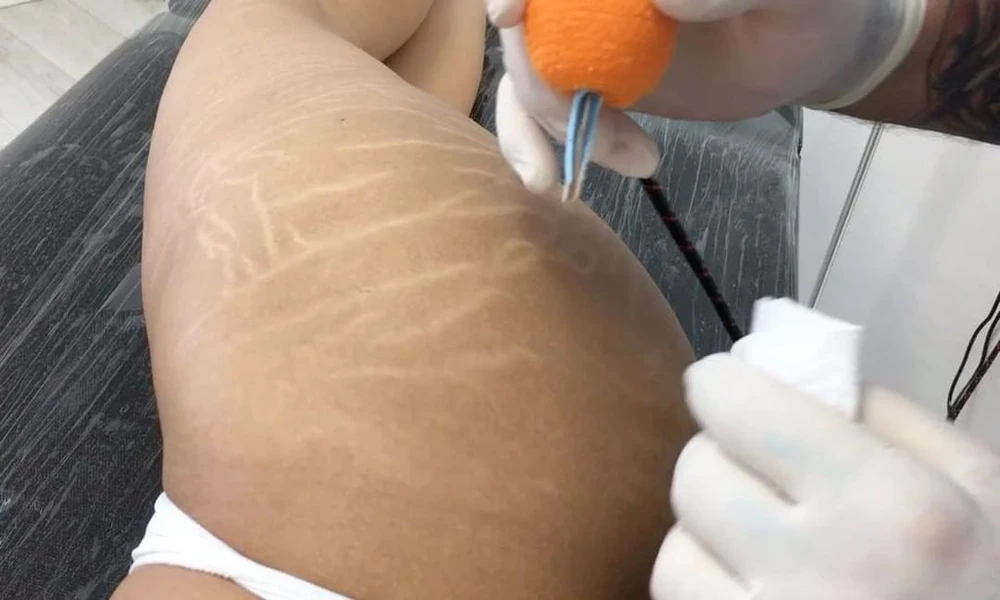
Stretch marks are incredibly common. Whether they develop after pregnancy, weight changes, puberty, or muscle growth, they often leave people feeling self-conscious about their skin. Fortunately, modern cosmetic procedures have introduced innovative ways to improve the appearance of stretch marks without surgery.
One treatment that’s becoming increasingly popular is stretch mark camouflage. However, many people mistakenly assume that it’s simply another form of traditional tattooing. While both procedures involve tattoo machines and pigments, they’re designed for completely different purposes and require different techniques, training, and artistic skill.
If you’re considering treatment in San Diego, CA, understanding the differences between stretch mark camouflage and traditional tattooing can help you make the best decision for your skin and aesthetic goals.
In this guide, we’ll explain how each procedure works, who they’re designed for, and why stretch mark camouflage has become one of the most sought-after paramedical tattoo services available today.
Understanding Stretch Mark Camouflage
Stretch mark camouflage is a specialized paramedical tattoo procedure that minimizes the visibility of stretch marks by implanting customized pigments into the affected skin. Instead of creating decorative artwork, the goal is to blend the stretch marks with the surrounding natural skin tone.
The process involves:
- Analyzing the client’s skin tone
- Custom color matching
- Implanting pigment only where needed
- Blending treated areas naturally
- Creating a softer, more even appearance
Rather than making stretch marks disappear entirely, the treatment helps them become significantly less noticeable.
Many clients in San Diego, CA choose Stretch Mark Camouflage because it offers a long-lasting cosmetic improvement without surgery or extensive downtime.
What Is Traditional Tattooing?
Traditional tattooing is a form of body art designed to create permanent images, lettering, or decorative designs on the skin.
Tattoo artists intentionally deposit pigment deep into the dermis to produce bold, vibrant artwork that remains visible for many years.
Traditional tattooing focuses on:
- Artistic expression
- Permanent body art
- Vibrant colors
- Creative designs
- Personal symbolism
Unlike paramedical procedures, traditional tattoos are not intended to blend into the skin or conceal imperfections.
The Main Difference Between the Two
Although both procedures use tattoo equipment, their objectives couldn’t be more different.
Stretch Mark Camouflage
The purpose is to:
- Conceal stretch marks
- Blend pigment into surrounding skin
- Restore visual skin uniformity
- Improve confidence
- Create natural-looking results
Traditional Tattooing
The purpose is to:
- Create visible artwork
- Express creativity
- Display bold colors
- Produce decorative designs
One treatment aims to hide imperfections, while the other intentionally creates visible art.
Pigment Selection Is Completely Different
One of the biggest distinctions between stretch mark camouflage and traditional tattooing is pigment selection.
For camouflage procedures, practitioners spend considerable time mixing pigments that closely resemble the client’s natural skin tone.
Every client has unique undertones, including:
- Warm
- Cool
- Neutral
- Olive
- Golden
- Pink
Successful stretch mark camouflage depends heavily on achieving an almost invisible color transition.
Traditional tattoo artists, on the other hand, usually work with bold pigments such as:
- Black
- Blue
- Red
- Green
- Purple
- White
Their goal is visibility-not invisibility.
Depth of Pigment Placement
Another major difference involves how deeply pigments are implanted.
Stretch mark specialists carefully deposit pigment at controlled depths to avoid overworking fragile scar tissue.
Stretch marks are technically a type of scar, meaning they behave differently from healthy skin.
Over-saturating these areas can lead to:
- Poor pigment retention
- Uneven healing
- Color migration
- Additional trauma
Professionally trained paramedical artists understand these challenges and adjust their technique accordingly.
Traditional tattoo artists typically work deeper within healthy skin because they’re creating permanent artwork designed to remain bold over time.
Different Training and Certifications
Not every tattoo artist performs paramedical procedures.
Stretch mark camouflage requires specialized education beyond traditional tattoo training.
Professionals learn:
- Skin anatomy
- Scar tissue behavior
- Pigment science
- Color theory
- Advanced blending techniques
- Client consultation
- Healing assessment
- Safety protocols
This advanced knowledge allows practitioners to produce natural-looking cosmetic improvements rather than decorative tattoos.
When searching for providers in San Diego, CA, ask whether they have formal paramedical tattoo training specifically for stretch mark camouflage.
Which Skin Types Are Good Candidates?
Not everyone qualifies immediately for stretch mark camouflage.
Generally, good candidates have stretch marks that are:
- Fully healed
- Lighter than surrounding skin
- Flat rather than raised
- At least one year old
- Free from inflammation
A professional consultation helps determine whether the skin is ready for treatment.
Traditional tattoos can often be placed on healthy skin regardless of stretch marks, but tattooing directly over fresh scars or unstable skin isn’t recommended.
Healing Process Comparison
Both procedures require proper aftercare, but healing expectations differ.
Stretch Mark Camouflage Healing
Clients may experience:
- Mild redness
- Slight tenderness
- Temporary dryness
- Gradual pigment settling
- Final color appearing after several weeks
The treated area should be protected from excessive sun exposure while healing.
Traditional Tattoo Healing
Decorative tattoos often experience:
- Peeling
- Flaking
- Mild itching
- Temporary scabbing
Healing also depends on tattoo size, placement, and individual skin response.
Can Stretch Mark Camouflage Completely Remove Stretch Marks?
This is one of the most common misconceptions.
The answer is no.
Stretch mark camouflage does not erase stretch marks.
Instead, it significantly reduces their visibility by blending them with your surrounding skin tone.
Many clients notice that treated stretch marks become difficult to see from normal conversational distance, creating a smoother overall appearance.
Results vary depending on:
- Stretch mark age
- Skin texture
- Pigment retention
- Aftercare
- Individual healing
A consultation with an experienced paramedical tattoo artist can provide realistic expectations.
Why More People in San Diego Are Choosing Stretch Mark Camouflage
San Diego’s warm climate encourages year-round outdoor activities, beach trips, and lighter clothing. As a result, many residents look for cosmetic solutions that help them feel more confident showing their skin.
Whether the stretch marks are located on the:
- Abdomen
- Hips
- Thighs
- Buttocks
- Arms
- Breasts
Stretch mark camouflage offers a minimally invasive way to improve their appearance without surgery.
Because the procedure is customized to each individual’s skin tone, many clients appreciate the subtle, natural-looking outcome.
How to Choose the Right Practitioner
If you’re considering stretch mark camouflage in San Diego, CA, selecting the right professional is essential.
Look for someone who offers:
- Specialized paramedical tattoo experience
- Before-and-after portfolio
- Personalized color matching
- Thorough consultations
- Proper sanitation practices
- Transparent aftercare instructions
Don’t hesitate to ask about training, certifications, and experience specifically with stretch mark camouflage rather than general tattooing.
The right practitioner will focus on achieving realistic, natural-looking results while prioritizing your safety and comfort.
Final Thoughts
Although stretch mark camouflage and traditional tattooing both use tattoo equipment, they serve entirely different purposes. Traditional tattoos are designed to create artistic body art, while stretch mark camouflage is a specialized paramedical procedure focused on reducing the appearance of stretch marks through advanced color matching and skin blending techniques.
For individuals in San Diego, CA who want a non-surgical solution to improve the look of mature stretch marks, this treatment offers an effective and confidence-boosting option. Choosing a trained paramedical tattoo professional ensures that your treatment is performed with the precision, artistry, and expertise needed to achieve the most natural-looking results.
If you’re exploring cosmetic solutions for stretch marks, scheduling a consultation with an experienced specialist is the first step toward determining whether stretch mark camouflage is the right choice for your skin.
Frequently Asked Questions
Is Stretch Mark Camouflage the same as a regular tattoo?
No. Stretch Mark Camouflage is a paramedical tattoo procedure focused on blending stretch marks with your natural skin tone, whereas traditional tattoos create decorative artwork.
How long do the results last?
Results can last for several years, depending on skin type, sun exposure, lifestyle, and proper aftercare.
Does the procedure completely remove stretch marks?
No. It reduces their visibility by matching the color of the surrounding skin, but it does not remove the texture or eliminate the stretch marks entirely.
Is there downtime after treatment?
Most clients can return to normal daily activities quickly, though they should follow aftercare instructions and avoid excessive sun exposure while healing.
How many sessions are needed?
Many clients achieve their desired results in one to three sessions, depending on the size, color, and condition of their stretch marks.