Tattoos are designed to be permanent, but their appearance can change significantly over time. While some tattoos remain bold and sharp for decades, others may fade, blur, or lose detail much sooner. Understanding the key factors that influence tattoo longevity helps individuals make informed decisions before and after getting inked.
Skin Type and Placement
One of the most important factors affecting tattoo durability is skin type. Oily or highly textured skin may not hold ink as consistently as smoother skin. In addition, the location of the tattoo plays a major role. Areas that experience frequent friction-such as hands, feet, elbows, and knees-tend to fade faster due to constant movement and contact with clothing or surfaces. Tattoos placed on more stable areas like the upper arm, back, or thigh generally maintain their clarity longer.
Ink Quality and Tattoo Technique
The quality of ink and the skill of the tattoo artist significantly impact how well a tattoo ages. High-quality pigments are more resistant to fading and tend to retain their vibrancy over time. Proper tattooing technique is equally important. If the ink is not deposited at the correct depth in the skin, it may either fade quickly or spread, causing a blurred appearance. Clean, precise linework and proper shading techniques contribute to a longer-lasting result.
Sun Exposure and Environmental Factors
Exposure to ultraviolet (UV) rays is one of the leading causes of tattoo fading. Frequent sun exposure breaks down the pigments in the skin, causing colors to appear dull over time. Environmental elements such as pollution, saltwater, and chlorine can also affect the integrity of a tattoo. Protecting tattoos with sunscreen and minimizing prolonged exposure to harsh conditions can help preserve their appearance.
Aftercare and Long-Term Maintenance
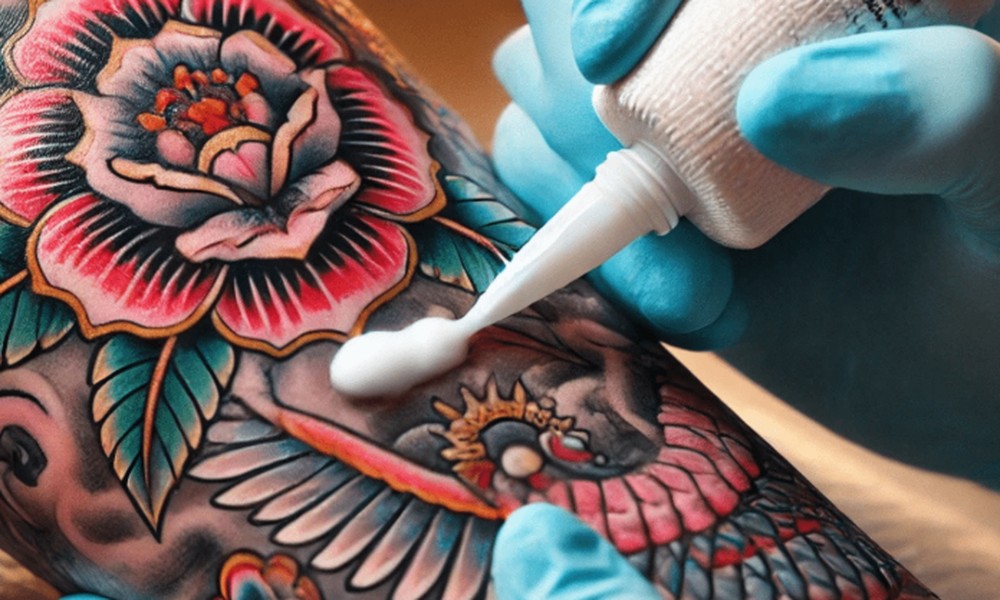
Proper aftercare during the healing process is crucial for long-term durability. Keeping the tattoo clean, moisturized, and protected from infection ensures that the ink settles properly into the skin. Neglecting aftercare can lead to patchy healing or color loss. Long-term maintenance, including regular moisturizing and occasional touch-ups, also plays a key role in preserving a tattoo’s sharpness and color.
Lifestyle and Aging
Lifestyle choices can influence how a tattoo looks over time. Smoking, poor hydration, and inadequate nutrition can negatively impact skin health, which in turn affects tattoo quality. As the body ages, skin naturally loses elasticity and firmness, which may cause tattoos to stretch or blur. While aging is unavoidable, maintaining healthy skin can slow down these effects.
Understanding these tattoo longevity factors allows individuals to take proactive steps in preserving their body art. With proper care, thoughtful placement, and attention to lifestyle habits, tattoos can remain vibrant and visually appealing for many years.
This post was written by J Michael Taylor. J Michael Taylor is an artist and the owner of Black Amethyst Tattoo Gallery. Black Amethyst is the Best Tattoo Artist in Tampa. They provide an art-first approach to custom tattooing in a gallery setting.