Many people are drinking less without stopping entirely, and they reach for sparkling water more consistently than mocktails. Taking THC beverages on their own terms, not as a substitute for something else, makes sense when the format is understood.
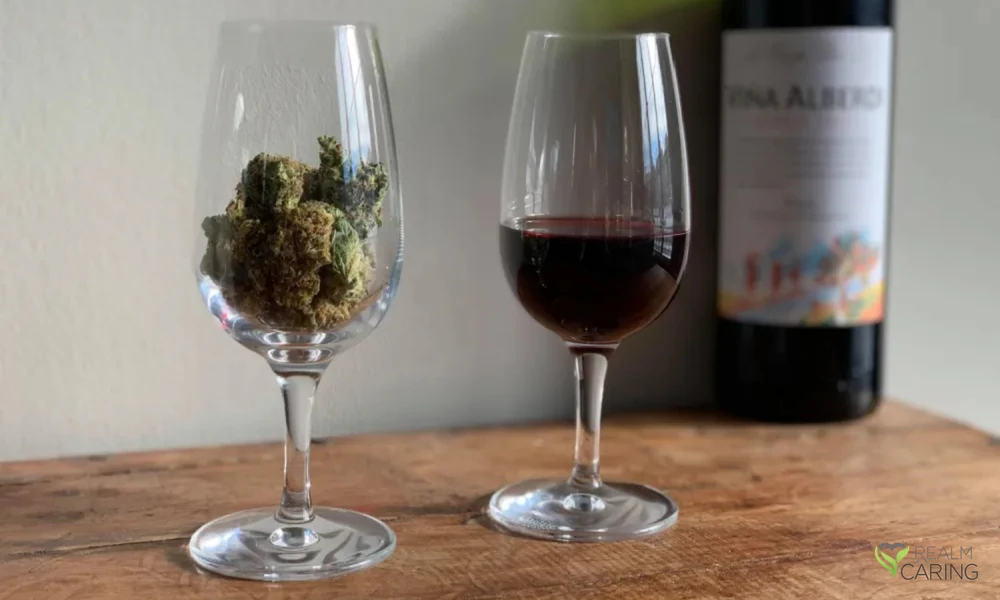
THC-infused drinks participate in the same social rituals as alcohol. A beer or a glass of wine has always signalled casual participation in shared occasions, fitting in the palm at a party. BudPop hemp brand recognised early that this social legibility was as important as the cannabinoid content inside, building beverage products that work as drinks first rather than as wellness supplements that happen to come in liquid form. All hemp edibles are differentiated by their onset timing. Traditional gummies take an hour or more to take effect, whereas water-soluble formulations take fifteen to forty-five minutes. It makes managing a social evening more intuitive by compressing the feedback loop.
Navigating the first experience
First-time use of a THC beverage catches people out more often than other formats because drinking pace is a deeply ingrained social behaviour. The habit of finishing a drink at a certain speed transfers automatically, which means someone can consume more than intended before any effects signal that slowing down would be wise.
Onset speed compounds this. Unlike an edible that takes an hour to confirm whether the dose was right, a THC beverage gives feedback faster, but still not instantly. The window between finishing a drink and feeling it remains long enough that a second can become tempting before the first one has fully arrived. Starting with half a serving on the first occasion removes most of this uncertainty. Drinking alongside food slows absorption meaningfully. Choosing a familiar, low-pressure setting for the initial experience keeps variables manageable while the format is still new.
Where does the format fit best?
Social occasions are the obvious entry point, but THC beverages have found genuine traction in several specific situations that alcohol handles awkwardly or not at all.
- Dry January participants who still want to participate in social drinking culture without the ingredient that defines it.
- Designated drivers navigating long evenings where a sparkling water starts feeling conspicuous by the third hour.
- Anyone managing alcohol intake for personal reasons who wants something in hand that requires no explanation.
- Post-workout wind-down occasions, where alcohol feels counterproductive, but something that marks the transition from effort to rest still appeals.
- Late evenings where the sleep disruption alcohol causes has become noticeable enough to motivate looking for something different.
Each of these situations shares a common thread. The person already knows what they want the experience to feel like. They need a format that delivers it without the parts of alcohol they are consciously moving away from.
Milligram count per serving varies more across THC beverages than most buyers expect. A product listing 5mg per can delivers a very different experience from one listing 10mg, and half can servings suggested on some labels are genuine guidance rather than legal caution. There is a significant difference in bioavailability between formulation types when identical milligram counts are used. First-time buyers only need to know those two questions before the first sip from a transparent brand.