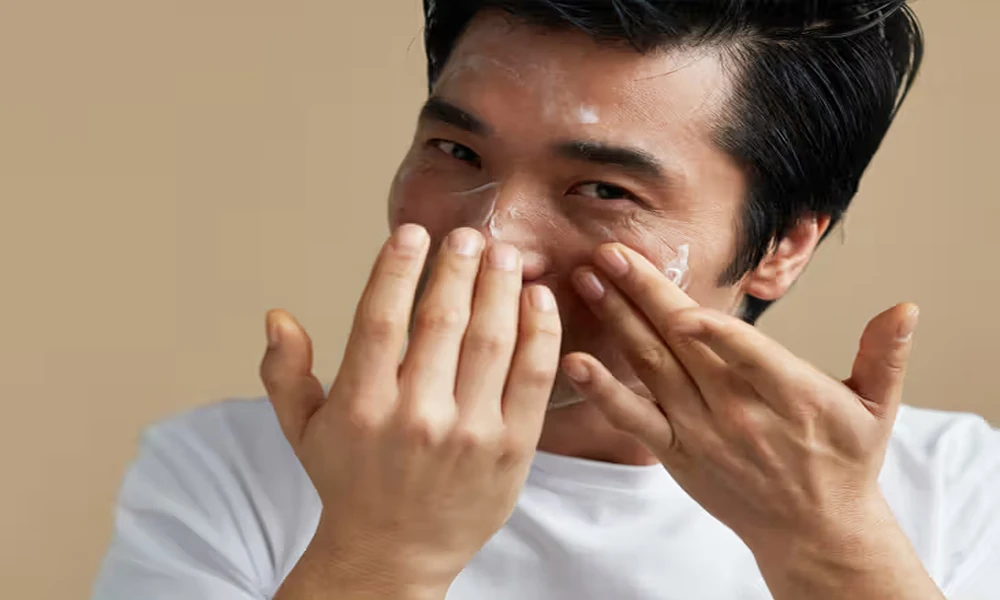
Healthy skin depends on both hydration and moisture, but these two terms are often confused. Although they are closely related, they describe different aspects of skin care. Hydration refers to the amount of water present in the skin, while moisture refers to the oils and lipids that help lock that water in. Understanding the difference can help you choose the right skincare products and develop a routine that keeps your skin balanced, comfortable, and healthy.
Many people assume hydration and moisture mean the same thing, but recognizing the Hydration Vs Moisture Difference Matters when building an effective skincare routine. Skin that lacks water requires ingredients that replenish hydration, while skin that loses moisture benefits from products that strengthen the protective barrier and reduce water loss. Identifying whether your skin is dehydrated, dry, or experiencing both concerns allows you to choose products more effectively and maintain healthier, smoother skin over time.
What Is Skin Hydration?
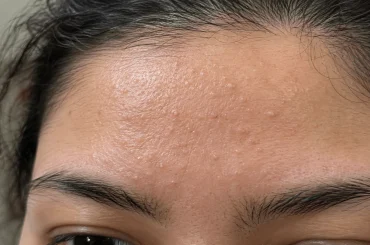
Hydration describes the level of water that the skin contains. Well-hydrated skin usually appears smoother, more elastic, and refreshed. When the skin lacks water, it may feel tight, look dull, and show fine lines more prominently.
Dehydrated skin can result from a variety of everyday factors, such as:
- Inadequate water intake
- Dry or cold weather
- Excessive sun exposure
- Air conditioning or indoor heating
- Overwashing the skin
Using products that help attract water to the skin can improve hydration and restore a healthier appearance.
What Does Skin Moisture Mean?
Moisture refers to the natural oils that protect the skin and reduce water loss. A healthy skin barrier contains lipids that help keep hydration inside the skin while protecting it from external irritants.
When the skin lacks enough natural oils, it may become rough, flaky, or easily irritated. Moisturizers help replenish this protective layer and improve the skin’s ability to retain hydration.
Why Both Are Important
Hydration and moisture work together to support healthy skin. Hydrated skin still needs a protective barrier to prevent water from escaping, while moisturized skin also requires enough water to maintain its flexibility and smooth texture.
Ignoring either one can affect the skin’s overall condition. For example, drinking enough water alone may not prevent dryness if the skin barrier is weakened, while using moisturizer without maintaining hydration may not fully address dehydrated skin.
How to Support Hydration and Moisture
Maintaining healthy skin involves combining good skincare habits with healthy lifestyle choices.
Helpful practices include:
- Drinking enough water throughout the day
- Cleansing with a gentle, non-drying cleanser
- Applying moisturizer after cleansing
- Using sunscreen every morning
- Avoiding excessively hot showers
- Opting for products that work best with your skin type.
These habits help maintain both water balance and the skin’s protective barrier.
Choosing the Right Skincare Products
Different products serve different purposes. Hydrating products often contain ingredients that draw water into the skin, while moisturizers focus on reducing water loss by strengthening the skin barrier.
Reading product labels and selecting formulas designed for your skin type can improve overall comfort and help maintain healthy-looking skin.
Knowing the difference between hydration and moisture helps create a balanced skincare routine. Supporting both improves skin comfort, strengthens the skin barrier, and promotes healthy, smooth, and well-nourished skin over time.