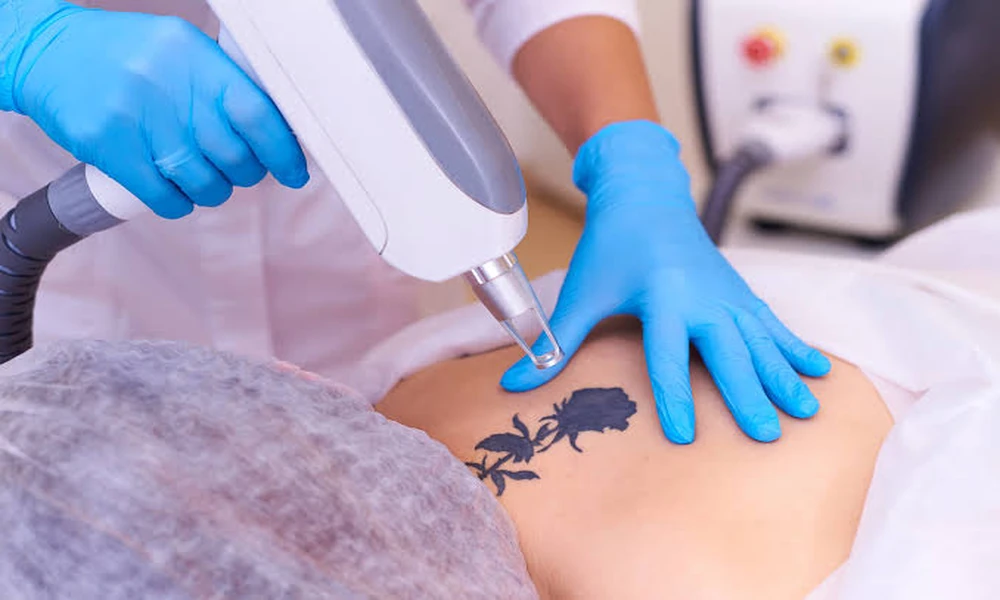
Removing a tattoo costs considerably more than getting one. That surprises many people booking their first consultation for professional tattoo removal.
Average Cost Per Session
A single laser tattoo removal session typically costs between £50 and £200, depending on the size of the tattoo, though larger or more detailed pieces can cost significantly more per session. Most tattoos require multiple sessions to fully fade. This means the total cost adds up considerably beyond that initial per-session figure.
How Many Sessions Are Usually Needed
Most tattoos require between six and ten sessions, spaced six to eight weeks apart to allow the skin to heal and the body to naturally clear broken-down ink particles between treatments. Darker inks, particularly black and dark blue, respond better to laser treatment than lighter colours like yellow, green or white, which can require additional sessions or never fully clear.
Factors That Increase the Total Cost
Tattoo size is the most obvious factor, but ink density, colour range and how deep the ink sits in the skin all affect how many sessions are needed and therefore the total cost. Older, more faded tattoos sometimes clear faster than recent, densely inked ones, which can actually work in a client’s favour when it comes to overall treatment cost.
Package Deals and Payment Plans
Many clinics offer package pricing that covers a set number of sessions at a reduced overall rate compared with paying per session individually. This tends to work out considerably cheaper for a full course of treatment, so it’s always worth asking about package options rather than assuming pay-as-you-go is the only route available.
Does Insurance Ever Cover It?
Standard health insurance policies almost never cover tattoo removal, since it’s classed as a cosmetic procedure rather than a medical necessity in the vast majority of cases. There are limited exceptions. Some policies may contribute if removal is medically necessary. For instance, where a tattoo covers a mole that needs monitoring or removal for skin cancer screening. These situations are rare, and any claim would require clear medical justification supported by a GP or dermatologist.
NHS Support in Specific Circumstances
The NHS occasionally covers tattoo removal in specific cases, such as removing gang-related tattoos as part of a documented rehabilitation programme, or covering tattoos linked to genuine safeguarding concerns. These cases are assessed individually and represent a small minority of overall tattoo removal requests, so most people shouldn’t expect NHS support for what’s generally considered a personal cosmetic choice.
Why Cheap Removal Deals Carry Risk
Heavily discounted tattoo removal often means outdated or underpowered laser equipment. This can require considerably more sessions to achieve the same result compared with modern, properly calibrated machines. In some cases, poor equipment or inexperienced operators cause skin damage, scarring or uneven fading, which then requires corrective treatment that costs far more than any initial saving.
Getting an Accurate Quote for Your Situation
Every tattoo is different, which makes a proper consultation essential before committing to a course of treatment. A reputable clinic will assess your specific tattoo, discuss a realistic number of sessions, and provide a clear total cost estimate rather than a vague per-session figure that leaves the overall commitment unclear.