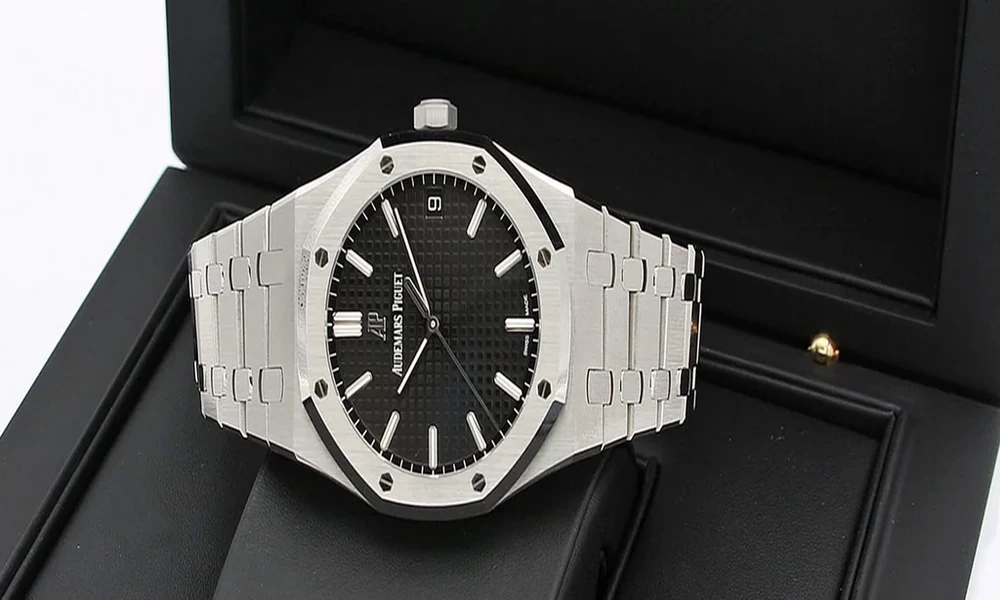
The luxury watch market has undergone a noticeable shift as more buyers turn their attention toward pre-owned timepieces. What was once considered a niche segment has now become a mainstream strategy for collectors and investors seeking long-term value. This change is driven by factors such as price accessibility, rarity of discontinued models, and growing confidence in authentication systems that protect buyers in the secondary market.
Rising Appeal of the Pre-Owned Luxury Market
Second-hand luxury watches offer a unique entry point into high-end horology without the immediate depreciation associated with brand-new purchases. Many new watches lose a portion of their retail value as soon as they leave the boutique, while pre-owned pieces often stabilize in price based on demand and rarity.
Collectors are increasingly drawn to models that are no longer in production, as scarcity often enhances long-term desirability. This has transformed the resale market into a competitive space where certain timepieces appreciate over time rather than decline in value.
Investment Value Driven by Scarcity and Demand
One of the strongest factors influencing investment potential in watches is limited availability. When production of a model ends, its supply becomes fixed, and demand among collectors can continue to grow. This dynamic creates upward pressure on resale value, especially for iconic or innovative designs.
In this environment, modern luxury pieces that combine distinctive aesthetics with technical advancement often gain strong attention. Some collectors consider pre-owned luxury watches as part of this evolving category, where design innovation and refined craftsmanship contribute to long-term appeal in both primary and secondary markets.
Authentication and Trust in the Secondary Market
A major reason behind the growth of second-hand luxury watch investments is the improvement in authentication processes. Buyers now have access to detailed verification services, serial number tracking, and expert inspections that reduce the risk of counterfeit purchases.
Trusted platforms and specialized dealers ensure that watches are accurately represented in terms of condition, originality, and service history. This transparency builds confidence among investors who may have previously avoided the pre-owned market due to uncertainty.
Design Innovation as a Value Factor
Modern watch collecting is no longer focused solely on heritage brands or traditional mechanical complexity. Visual design, material innovation, and unique craftsmanship now play a major role in determining desirability.
Certain contemporary models, including pre-owned luxury watches, are recognized for their refined detailing, layered aesthetics, and modern engineering approaches that differentiate them from conventional timepieces. These design elements can enhance collectability, especially when paired with limited production runs or strong brand identity.
Shifting Mindset of Modern Collectors
Today’s collectors are more strategic and research-driven than ever before. Instead of purchasing watches purely for personal use, many buyers consider factors such as resale value, rarity, and long-term appreciation potential.
This mindset has created a more dynamic market where watches are treated as both lifestyle accessories and alternative investments. The combination of emotional appeal and financial logic makes the second-hand luxury segment particularly attractive to a new generation of buyers.
As demand continues to grow, the pre-owned watch market is expected to play an even larger role in shaping how luxury timepieces are valued, traded, and appreciated over time.