
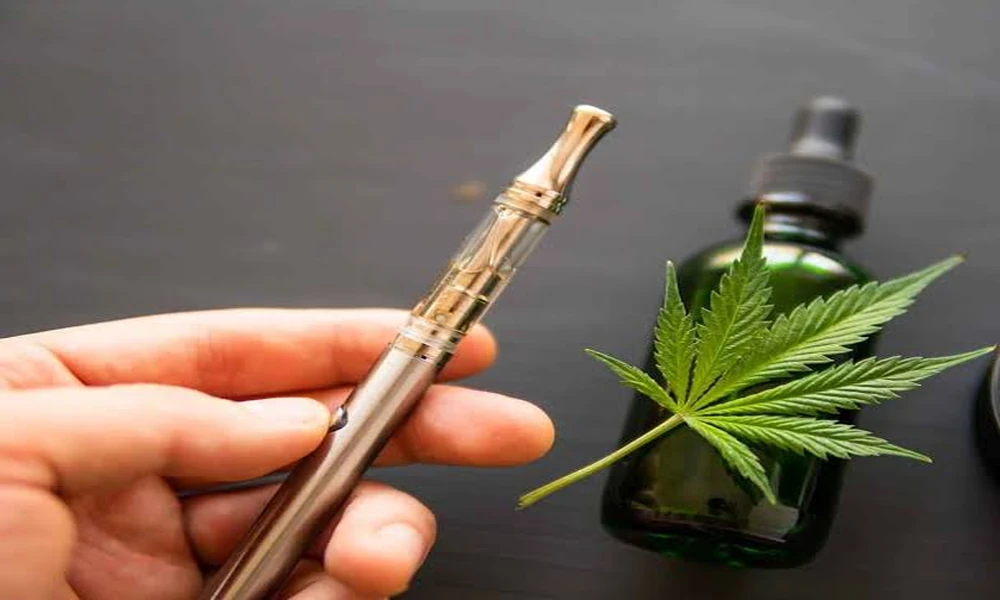
Burnt hits are annoying, and the frustrating part is that they usually happen right in the middle of a session. Something went wrong somewhere in the setup. exhalewell.com/thc-vaporizers have a few moving parts, and any one of them going off can ruin the flavour entirely. The causes are not complicated once you know what to look for. Most of them are fixable in under two minutes.
1. Dry wicking
This one happens more than people realise. The wick pulls oil toward the coil, and when that process slows down, the coil fires against a surface that barely has any oil on it. The result is immediate and harsh. Cold temperatures thicken oil enough to slow wicking significantly. So does running the cartridge too low before replacing it. Giving a few seconds between draws is genuinely enough to prevent most dry hit situations. The wick needs time to catch up.
2. Coil degradation
Coils break down with use. Not quickly, not visibly, but the surface changes over extended sessions and starts heating unevenly. Certain spots get hotter than they should. Oil hits those spots and burns instead of vaporising. The taste gets progressively worse rather than appearing all at once, which is usually the clearest sign that the coil is the actual issue. Cartridges pushed empty before replacement wear coils out faster than those swapped out with a little oil remaining.
3. Voltage too high
- High voltage scorches oil before it has a chance to vaporise properly.
- Most people leave their battery on the highest setting without realising it is too aggressive for standard cartridge oil.
- Mid-range is where clean flavour actually lives on most 510 setups.
- If the first draw of a brand new session tastes burnt, check the voltage before anything else.
One click down on the setting is worth trying before pulling the cartridge apart, looking for other causes.
4. Heat exposure
Oil left somewhere warm long enough before it is even used is already compromised. Heat degrades the compounds that make the flavour clean and changes the consistency of the oil, so wicking becomes unreliable. A cartridge sitting on a dashboard or next to something warm in a bag can degrade over days without any visible sign. The burnt taste is often the first indication that the damage has already happened. Cool and dark storage from the moment of purchase makes a real difference across the lifespan of a cartridge.
5. Flooded coil
A flooded coil is the opposite problem from a dry wick, but the result tastes similar. Too much oil pools directly against the heating element rather than feeding through the wick in a controlled way. It sits there and burns on contact rather than vaporising cleanly. Storing cartridges on their side is the main cause. Pulling too hard in one draw pushes excess oil into the chamber as well. Upright storage and steady, measured draws prevent flooding without any other intervention needed.
6. Loose connection
Cartridges that are not seated properly against the battery do not fire evenly. The power delivery stutters, the coil compensates by running hotter, and burnt flavour follows even when the voltage setting looks fine. Cleaning the threading takes thirty seconds with a dry cotton swab. Checking that the cartridge is seated firmly, not cranked down hard but properly connected, sorts out most connection-related issues right away.
7. Degraded oil
- Oil that has gone dark well past its original colour is already past the point where any device adjustment will help.
- A strange smell before the first draw means the problem is in the oil itself, not the hardware.
- Old cartridges develop crystallisation that blocks flow and leaves the coil firing dry every time.
- There is no fix for degraded oil. Replace the cartridge and move on.
None of these seven causes is particularly mysterious. Voltage and storage account for most burnt taste complaints on their own. Getting those two things right from the start eliminates the majority of session problems before they appear, and the rest of the list covers what to check when they do not.
