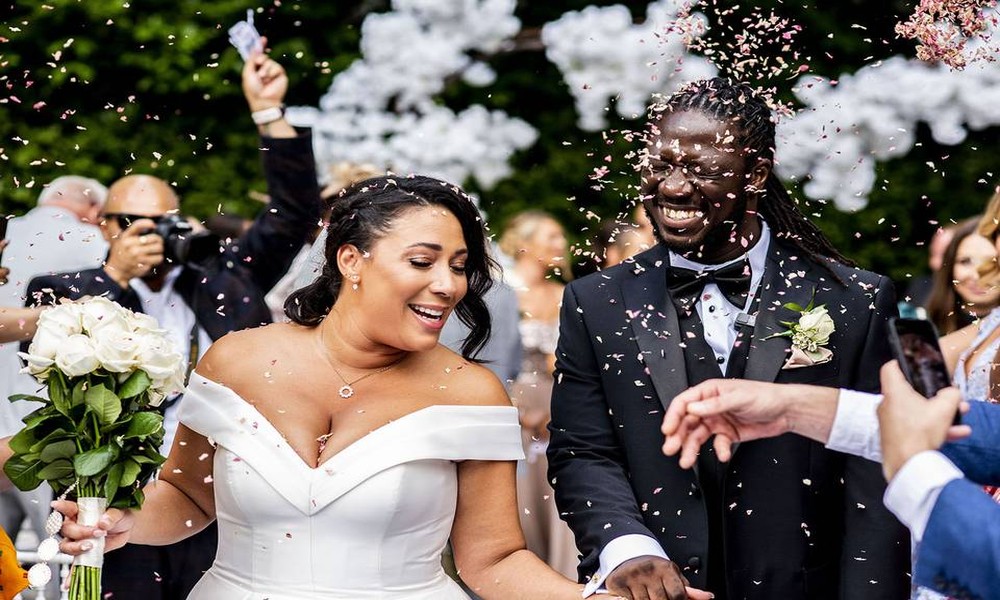
A wedding suit has to do more than look good in photographs. It needs to feel comfortable during the ceremony, survive hours of celebrating, and fit the budget without last-minute surprises.
Buying can make sense when the suit will earn its place in a wardrobe. Renting can suit someone who needs a particular formal look for one occasion. This Grooms Club guide compares the details that matter before a New Jersey groom or wedding party commits.
Compare the Complete Outfit Cost
Start with two written, itemized quotes. A purchase price for a jacket and trousers cannot be compared fairly with a rental package that includes a shirt, shoes, and accessories.
For buying, add alterations and any missing pieces. For renting, ask about accessory charges, delivery, damage provisions, late returns, and whether cleaning is included. Separate refundable deposits from charges that will remain part of the final cost.
Use the same outfit checklist for both options:
- Jacket, trousers, and an optional waistcoat.
- Shirt, tie or bow tie, and pocket square.
- Shoes and any necessary finishing accessories.
- Fitting, alterations, delivery, and collection arrangements.
An attractive starting price is useful only when the finished outfit stays within budget. Confirm what happens if a size needs changing or the wedding date moves.
Check Fit and Alteration Flexibility
Ownership generally gives more freedom to alter a garment, within the limits of its construction. Rental adjustments depend on the provider and may be restricted to changes that can be reversed.
Try the jacket buttoned and unbuttoned. Sit down, walk, and raise your arms naturally. Check for pulling across the chest, a collar gap, or trousers that feel tight when seated. Bring the shoes planned for the wedding so the trouser length can be assessed properly.
When comparing a New Jersey suit store with a rental provider, ask who handles alterations and when the final fitting happens. The Suit Store lists Paramus and Wayne locations and on-site tailors. Confirm alteration charges and completion dates for the chosen outfit before purchasing.
Match the Dress Code and Setting
Choose the required level of formality before deciding whether to buy or rent. A suit and a tuxedo serve different purposes, even when both are black.
The Emily Post Institute’s black-tie dress code guide identifies the tuxedo as standard men’s black-tie attire. Establishing that requirement early prevents spending time comparing outfits that do not match the celebration.
For a daytime garden ceremony or Jersey Shore reception, consider fabric weight, lining, and time spent outdoors. For an indoor evening celebration, check how the color and fabric look under artificial lighting. Try the complete outfit rather than judging a jacket on its hanger.
Be Realistic About Future Wear
A navy or charcoal suit may work for future weddings, business occasions, and dinners. A distinctive color or strongly themed outfit may have fewer uses, depending on personal style.
Estimate cost per wear using genuinely likely occasions. Divide the purchase and alteration total by the expected number of outings, then allow for cleaning and upkeep. Avoid making ownership look cheaper by imagining events that are unlikely to happen.
The American Cleaning Institute’s fabric care guidance advises checking care labels rather than guessing how to clean clothing. Before buying, consider whether the garment’s care needs and storage requirements fit everyday life.
Renting remains worth considering when repeat wear is unlikely or keeping the outfit holds little appeal.
Plan Around the Whole Wedding Party
A coordinated group needs more than matching color names. Compare the actual fabric, shade, cut, and available sizes before everyone orders. Two suits described as navy can look different together.
For groomsmen traveling into New Jersey, establish where measurements will be taken and how fitting problems will be resolved. Confirm ordering deadlines, arrival dates, and time for corrections directly with each provider.
Rentals also need a clear return plan, especially when the couple leaves immediately for a honeymoon. Purchased outfits need a collection and alteration schedule. Give one person responsibility for tracking the group’s progress, while keeping each wearer informed of their own deadlines.
Choose What Works Beyond the Price Tag
Buying is a strong option when fit flexibility and realistic future use justify the full cost. Renting deserves consideration when a specific look is needed once, and the package terms are convenient.
Grooms Club’s practical takeaway is simple: compare complete outfits, try them properly, and get the timing in writing. Explore The Suit Store’s wedding selection and discuss fit, availability, and the finished purchase cost before making the final choice.