The sudden chill brings out forgotten jackets. Some people spend winter miserable and cold. Others? They cruise through January looking comfortable. The difference has nothing to do with toughness; just knowing a few tricks that actually work.
Why Layers Beat One Big Coat
Layering clothes seems simple, but most do it wrong. They wear a t-shirt and a big parka, then question the sweating indoors and freezing outdoors. Smart layering starts against your skin. That old cotton undershirt you love? It is working against you. Cotton holds moisture from sweat. And damp fabric against skin equals cold misery. Synthetic materials and merino wool dry quickly. They cost more upfront but pay you back in comfort.
Insulation keeps you warm. Think, wool, fleece, as well as those stylish, down vests. This layer requires some space. If you squeeze into something tiny, you will lose the air that keeps you warm. It’s like choosing between a compressed blanket and a fluffy comforter. Only one does the job.
The outside layer plays defense against weather. It deals with the bad weather. This includes rain, snow, and wind. Some shells turn you into a walking sauna because they trap every bit of moisture. Others let vapor escape while keeping rain out. Worth finding the second type unless you enjoy feeling clammy.
Materials Make the Difference
Certain fabrics handle winter better, period. Wool keeps you warm even when soaking wet. Sure, it costs more than polyester. However, polyester won’t save you when you’re caught in freezing rain. Down fills those puffy jackets everyone wears to coffee shops. For the weight, nothing touches down’s warmth. Just remember it completely fails when wet. Keep your down dry or you’ll learn this lesson the hard way.
Fleece changed the game for budget-conscious people. It’s warm, light, and quickly dries. The catch? Fleece offers no resistance to a strong breeze. The answer: a windproof top layer. Problem solved. Jeans and winter don’t mix well. They absorb water, stay wet forever, and turn your legs into popsicles. If you must wear denim, thermal underwear helps. Or just switch to different pants November through March. Your legs will thank you.
The Parts People Forget
Body heat escapes wherever you let it. Bare head? There goes your warmth, floating away like steam from coffee. A basic wool hat fixes this instantly. Your hairstyle is irrelevant when it’s 20 degrees outside. Frozen fingers make life impossible. Can’t grip anything, can’t work your phone, can’t function really. Good gloves solve this. Leather ones with lining last years and actually let you use your hands.
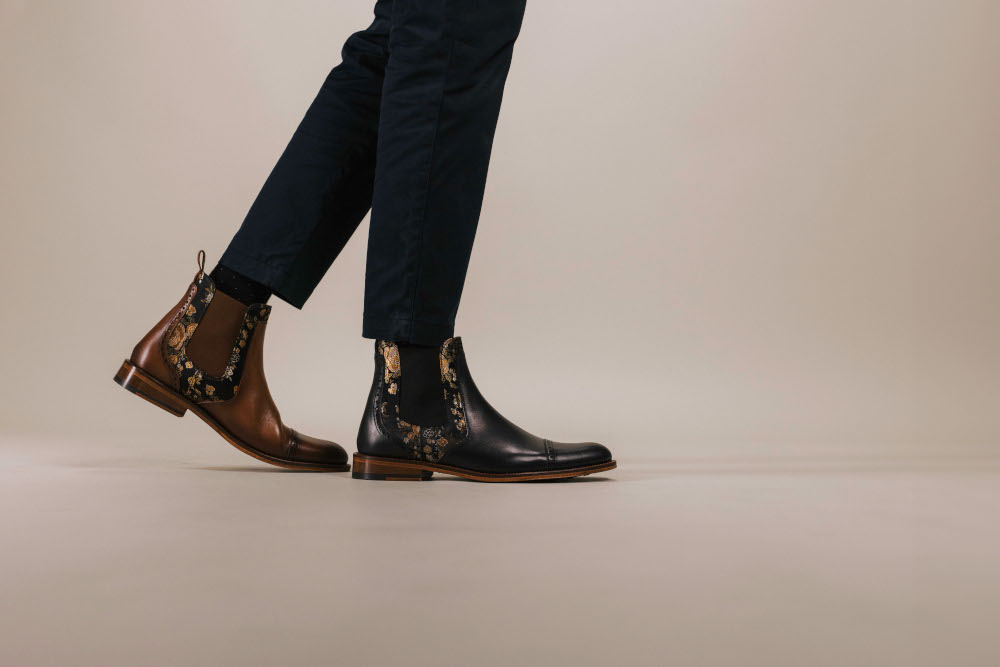
Feet take serious abuse in winter. Dress socks offer zero protection against cold. Wool-blend socks offer cushioning, warmth, and moisture control. Pair them with men’s dress boots from a brand like Taft that have decent soles and waterproofing. Slush and ice are not ideal for sneakers. Your frozen toes will remind you by lunchtime.
Getting Gear Without Going Broke
Building a winter wardrobe takes time. Get a versatile coat in black, gray, or navy. Build from there as budget allows. February and March bring sales that make December prices look ridiculous. Retailers need space for spring stuff. Their desperation becomes your opportunity. That overpriced jacket drops 60% when flowers start blooming. Buying cheap means buying twice. Sometimes three times. One well-made coat outlives multiple bargain versions and actually keeps you warm.
Conclusion
Cool weather doesn’t require suffering or complicated strategies. Dress with intention. Use practical fabrics, cover skin, and invest in lasting gear. Focus on what looks good and ignore what doesn’t. With these basics, you’ll stay warm and look pulled together. You will stop dreading the cold months altogether.